
Capturing and evacuating surgical smoke in the operating room remains a critical issue. It not only compromises air quality for surgical staff but also introduces safety, visibility, and compliance concerns
OR smoke contains hazardous by-products such as toxic chemicals, particulates, and bioaerosols that can irritate the respiratory tract, reduce visibility, and contribute to long-term health risks for surgical staff. Additionally, bioaerosols can be harmful to surgical staff and patients, increasing surgical site infections.
While standard solutions like ESU-integrated smoke capture pens are commonly used to capture smoke at the surgical site, they are not without drawbacks: these tools can reduce surgeon dexterity, obstruct the field of view, and may not always generate sufficient suction to reliably capture smoke at the source.
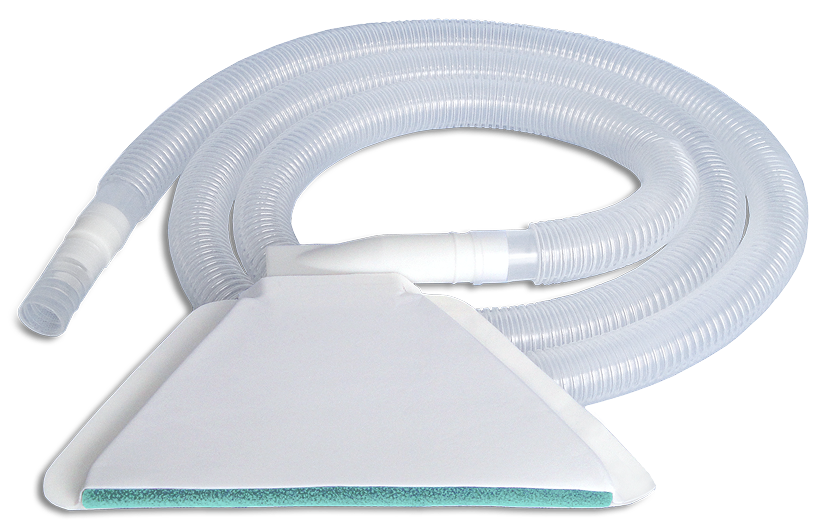
Introducing
Flamingo Funnel™
Clean air. Clear view.
- Hands-free
- Unobstructed view
- Flexible design
- Up to 2x the smoke capture1
-
Shown in studies to remove infection-causing bioaerosols2,3
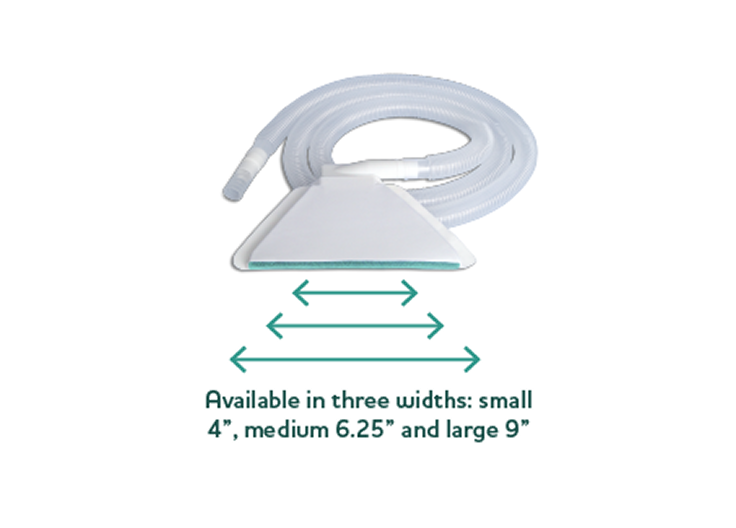
The Flamingo Funnel is available in three sizes to fit different surgical procedures and flexes to fit patients’ unique anatomy.
Hands-free Flamingo Funnel™
vs. the competitionFlamingo Funnel
ESU Pencil
Average Smoke Capture Efficiency (%)*
99.5%
51.4%
Hands-free


No Vision Obstruction
No Hand Fatigue
Reduces bio-aerosols
Disposable
Works with alternative cautery sources, i.e., bipolar, laser & plasma

“OR smoke is dangerous to OR staff health. I use the Flamingo Funnel because it has been shown in studies to remove more smoke and bioaerosols than the ESU pencils.”
Dr. Sunny Kim
inspired Spine
Stay Compliant
Many states have enacted regulations — often aligned with AORN’s recommendations— requiring healthcare facilities to implement effective smoke evacuation systems in operating rooms, making smoke capture a compliance and safety necessity.
Request a evaluation today!
1 Schultz L. An Analysis of Surgical Smoke Plume Components, Capture and Evacuation. AORN Journal. Feb 2014, Vol 99; No 2.
2 Krueger, S., Disegna, S., & DiPaola, C. (2018). The effect of a surgical smoke evacuation system on surgical site infections of the spine. Clinical Microbiology and Infectious Diseases, 3(1), 1–5.
3 Liu et al., The Utility of Local Smoke Evacuation in reducing Surgical Smoke Exposure in Spine Surgery: A Prospective self-controlled study. The Spine Journal. 20 (2020), 166-173.
MKT-SSS-0034